Flexibility, Tech & New Care Models in 2025

Amid escalating physician and nursing shortages across the United States, healthcare staffing is undergoing a dramatic transformation. The old models—rigid shifts, inflexible roles, and siloed care—are being replaced by dynamic solutions that leverage remote technologies and scalable workforce strategies. In 2025, healthcare administrators face mounting pressure to fill clinical gaps, control costs, and maintain high standards of patient care—especially in hard-hit states like California, Texas, New York, and Florida, and in rural or underserved regions.
The key to thriving in this environment is adaptation. Both public hospitals and private practices must rethink their staffing solutions
to include flexible contracts, part-time and per-diem clinicians, and robust telehealth support. REVA Global Medical is at the forefront,
providing cutting-edge staffing and credentialing support to help
facilities manage compliance, reduce burnout, and efficiently deliver care—onsite and virtually.
What Are the Biggest Healthcare Staffing Challenges in 2025?
The U.S. healthcare sector is facing a historic staffing crisis. Both physician and nursing shortages are surging, projected to reach record levels by 2025, particularly in high-demand and rural states.
According to the Association of American Medical Colleges, the U.S.
may see a shortfall of up to 86,000 physicians by 2036. [AAMC](https://www.aamc.org/news/press-releases/aamc-report-confirms-growing-physician-shortage). The nursing sector is similarly strained: the U.S. Bureau of Labor Statistics projects over 203,000 job openings for registered nurses each year through 2031, as retirements accelerate and burnout rises. States like California, Texas, Florida, and New York—those with the largest populations—are most acutely affected.
The effects? Longer ER wait times, increased workloads, and higher rates of fatigue and turnover, especially in rural or underserved
areas. The imperative: adopt agile staffing and new care models to ensure safe, reliable coverage.
How Are Flexibility and Technology Addressing Workforce Shortages?
Flexible staffing models are unlocking new capacity and resilience for hospitals, clinics, and private practices. Here’s how:
1. Remote & Virtual Staffing
Virtual nurses, physicians, and administrative staff enable facilities to bridge coverage gaps and extend care to patients regardless of location.
Telehealth adoption soared by over 4,300% during the pandemic and remains indispensable for chronic care management, urgent care, and behavioral health services (AMA, 2023).
2. Flexible Contracts
Contract, per-diem, and part-time opportunities allow talented clinicians to prevent burnout and improve work-life balance.
Organizations such as REVA Global Medical streamline compliance, credentialing, and rapid onboarding to make flexible work scalable and safe.
3. Workforce Management Technology
AI-driven scheduling, real-time credential verification, automated repooling, and transparent analytics platforms reduce inefficiency and staffing gaps.
“Remote staffing solutions go beyond telehealth… from remote consultations and virtual administration to emerging roles like virtual nursing. These innovative care models free up in-person staff, boost safety, and increase scalability.”
What Are the Benefits of Modern, Flexible Healthcare Staffing Solutions?
Leaders in healthcare operations cite these top benefits:
Scalability: Expand staff quickly to meet surges in patient demand.
Cost-Effectiveness: Reduce overtime, locum costs, and turnover-related expenses.
Reduced Burnout: Flexible roles and remote work options improve retention and staff morale.
Broader Access: Reach more patients, including in rural communities, with telehealth and remote clinicians.
Increased Reliability: Modern staffing agencies like REVA Global Medical ensure high standards in credentialing, compliance, and
rigorous quality assurance for every provider—virtual or onsite.
A 2024 survey by MGMA found that more than 57% of medical practices are either expanding their use of per-diem/remote clinicians or planning to do so in the next 18 months, citing clinical coverage gaps as the primary motivator.
How Can Facilities in High-Shortage States and Rural Areas Adapt?
For hospitals and clinics in states like California, Texas, New York, and Florida—or in underserved rural regions—proactive action is
critical.
Streamline your practice with a Medical Virtual Professional
By utilizing a Medical Virtual Professional, you can free up your time and ensure that your medical practice operates efficiently
Key Action Steps:
1. Embrace Hybrid Care Models: Combine onsite staff with telehealth and remote teams for round-the-clock, flexible coverage.
2. Leverage Recruiting Partnerships: Partnering with clinical staffing agencies like REVA Global Medical provides access to vetted, credentialed candidates—ready for fast deployment and compliance with all state requirements.
3. Prioritize Staff Well-being: Structure roles that limit mandatory overtime, encourage rotating shifts, and prioritize mental
health support.
4. Deploy Credentialing Technology: Invest in platforms that drastically cut onboarding times and ensure ongoing compliance.
Empowering rural hospitals with these tools can close chronic workforce gaps—delivering quality care closer to home.
Which Staffing Models Will Define the Future of U.S. Medical Delivery?
The leading models forecast for 2025 and beyond include:
Virtual-First Staffing: Prioritize remote clinicians for triage, chronic care management, and behavioral health, reserving in-person
staff for intensive hands-on procedures.
Flexible Per-Diem Pools: Maintain a robust core team, augmented by a pool of on-demand per-diem providers who can step in whenever
volume spikes.
Integrated Telehealth Teams: RN care coaches, remote administrators, and virtual medical scribes knit seamlessly with on-site providers to improve efficiency and patient satisfaction.
Modern workforce management, powered by AI and integrated platforms, drives continuous optimization.
Conclusion
The landscape of U.S. healthcare staffing in 2025 is defined by flexibility, technology, and adaptability. Hospitals, clinics, and practices—especially in high-shortage states and rural regions—must evolve their staffing strategies to remain competitive, resilient, and patient-centered. Partnering with proven agencies like REVA Global Medical enables efficient onboarding, scalable workforce growth, and the highest compliance standards—while improving workflow and alleviating burnout.
Schedule Your Strategy Session!
Grow Your Brand With Trained Virtual Professional
Get the help you need to take your brand and business to the next level.
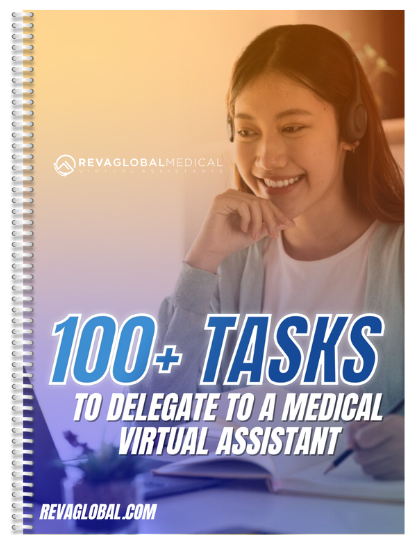
Not Sure What Tasks To
Start Outsourcing?
We’ve got you covered.
Download our free guide to help you get started.