Why Profitable U.S. Clinics Still Face Staff Burnout in 2025

If Your Clinic Is Profitable but You’re Still Exhausted, This Is Why
Are your clinics reaching profitability — yet your staff and leadership remain deeply fatigued? In 2025, the U.S. healthcare sector faces an urgent paradox: rising revenue can’t mask an unstainable level of clinical exhaustion and burnout. As market leaders, you may
be wondering, “If we’re succeeding financially, why is my team still running on empty?”
The answer lies in America’s ongoing healthcare staffing crises. From persistent physician and nursing shortages to an intensifying demand for both physical and virtual care, clinics are navigating a complex new reality. Even industry innovators are discovering that old workforce models no longer guarantee operational resilience, team satisfaction, or patient care continuity.
Why Are Profitable Clinics Still Overwhelmed by Staff Burnout in 2025?
Profitable clinics are not immune to staff exhaustion—burnout is now a systemic problem driven by workforce shortages and inflexible staffing structures.
Despite strong bottom lines, U.S. clinics contend with a historic shortage of physicians and nurses. The 2025 U.S. healthcare staffing
market has ballooned to $22.81 billion, yet turnover, early retirements, and long hiring cycles are leaving facilities dangerously
lean.
Revenue growth often means heavier patient loads, more administrative work, and longer hours instead of tangible relief.
The Impact of Physician and Nursing Shortages
– The Association of American Medical Colleges predicts a shortfall of up to 124,000 physicians in the next decade.
– Nursing vacancies remain critical, with the U.S. projected to need over 200,000 new RNs annually to meet demand.
These shortages amplify staff workloads, erode morale, and make it harder to maintain safe, high-quality care—even when revenue is
strong.
How Are 2025 Healthcare Workforce Trends Reshaping Clinical Staffing?
2025 sees a shift towards flexible, contract, and virtual staffing in response to workforce challenges.
Contract and per-diem roles, once viewed as stopgaps, have become a strategic cornerstone for high-performing clinics. The U.S. now experiences intensified M&A and innovation in the staffing sector, with facilities embracing part-time, telehealth, and remote administrative roles to bridge critical gaps and balance workload intensity.
Why Flexible Medical Staffing Is Now Essential
– 2025 staffing models prioritize adaptability, with flexible teams deployed “on-demand” to smooth out surges and reduce overtime.
– Telehealth staffing is growing explosively, supporting rural clinics and expanding patient access with virtual nurses, remote physicians, and offsite admin support
This flexibility prevents staff burnout by distributing workloads and ensuring coverage—without sacrificing clinical quality or compliance.
Streamline your practice with a Medical Virtual Professional
By utilizing a Medical Virtual Professional, you can free up your time and ensure that your medical practice operates efficiently
What Are the Hidden Causes of Clinic Staff Exhaustion?
Staff stress is caused by more than just patient volume; systemic rigidity, inefficient workflows, and compliance burdens also play major roles.
Burnout isn’t simply about being busy. Many leaders underestimate how staffing rigidity, inefficient credentialing, or a poor fit between
skills and assignments can wear down even the most resilient teams. Overly manual compliance processes can pull clinicians from their core mission: patient care.
Key Drivers of Burnout in U.S. Healthcare Teams
– Administrative overload and inefficient onboarding processes.
– Inflexibility in shift scheduling, leading to missed work-life balance.
– Compliance and credentialing demands hampering productivity.
Adopting scalable, supportive staffing partnerships—such as those from REVA Global Medical—can help clinics reengineer workflows and boost morale.
How Can Flexible Staffing Solutions Transform Your Clinical Operations?
Partnering with clinical staffing agencies now means more than just filling seats. Real value comes from strategic, data-driven workforce
solutions that accelerate onboarding, ensure compliance, and precisely match clinician skills to patient needs.
Advantages of Flexible Staffing and Telehealth Support
– Scalable staffing adapts to your facility’s needs, ramping up or down in real time.
– Virtual care models allow clinics to extend coverage and reduce onsite fatigue.
– Strategic support, like REVA Global Medical’s fast clinician matching, helps maintain continuity of care and compliance standards.
Such solutions free up permanent staff to focus on high-value patient
interactions while reducing burnout and supporting strategic growth.
What Should U.S. Clinics Look for in a 2025 Staffing Partner?
The gold standard is a partner with proven reliability, compliance expertise, and efficient onboarding. Hospitals and clinics should
demand:
– Rigorous credentialing and compliance management.
– Ability to rapidly onboard clinicians—both onsite and remote.
– Support for hybrid models (onsite, virtual, per-diem, and contract care).
– Data-driven insights to prevent future shortages and identify workflow gaps.
REVA Global Medical stands out with its track record in scalable, compliant, and reliable medical staffing solutions—delivering what
U.S. clinics need as demands shift.
Conclusion
You can run a profitable, high-revenue clinic and still find your teams exhausted if you don’t adapt to 2025’s staffing realities. With ongoing physician and nursing shortages, rigid staffing models, and increasing compliance demands, today’s healthcare leaders must embrace flexible, innovative staffing solutions to ensure both financial stability and workforce wellbeing.
Schedule Your Strategy Session!
Grow Your Brand With Trained Virtual Professional
Get the help you need to take your brand and business to the next level.
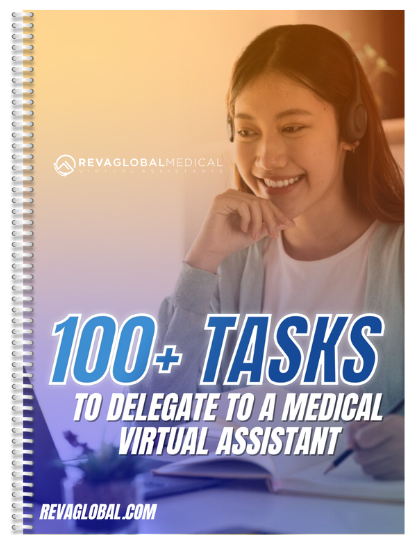
Not Sure What Tasks To
Start Outsourcing?
We’ve got you covered.
Download our free guide to help you get started.