How Will AI, Wearables & Value-Based Care Transform Healthcare Staffing in 2026?

Healthcare staffing is undergoing seismic changes heading into 2026. As U.S. hospitals and clinics face growing physician and nursing shortages, innovative technologies like AI, clinical wearables, and value-based care initiatives are rewriting the staffing playbook. Leaders—especially those in rural, high shortage, or rapidly growing regions—must rethink how they attract, onboard, and support clinicians while safeguarding care quality and reducing burnout.
This post examines the next wave of medical staffing solutions, data-driven workforce trends, and the role of agencies like REVA Global Medical in helping hospital administrators, clinic managers,
and private practice owners thrive amid disruption. Discover what forward-thinking operations executives and HR leaders need to know—and do—to futureproof their medical workforce.
How Are Physician and Nursing Shortages Driving Staffing Innovation?
The ongoing shortage of U.S. physicians and nurses is accelerating the adoption of flexible staffing models, innovative recruitment strategies, and digital workforce solutions.
Staffing gaps are no longer just a rural challenge—they’re nationwide. In 2023, the U.S. faced a shortage of over 17,000 physicians, and this gap is projected to widen by 2026, particularly in primary care and rural settings. Nursing shortages have also intensified post-pandemic, with nearly one million nurses expected to exit the profession by 2027.
These trends have real impacts: increased clinician burnout, reduced patient access, and higher turnover costs.
Successful organizations now embrace strategies such as:
– Rapid onboarding via clinical staffing agencies.
– Credentialing and compliance support for efficient hiring.
– Greater reliance on flexible, per-diem, and contract roles.
– Integrating telehealth and remote roles to widen talent pools.
Leading agencies like REVA Global Medical facilitate quick onboarding and compliance, giving hospitals a scalable, reliable workforce while minimizing administrative stress and regulatory risk (Source)
What Role Does AI Play in Healthcare Staffing and Operations?
Artificial intelligence (AI) streamlines scheduling, automates credential verification, and enhances workforce deployment, making staffing more efficient and responsive.
AI is transforming how care teams are assembled and managed. Smart algorithms analyze everything from clinician skillsets to patient acuity levels, building optimal schedules and reducing costly gaps. Predictive analytics identify staffing needs in advance, helping prevent last-minute shortages and overtime spend.
Key benefits include:
– AI-driven scheduling for efficient shift allocation and
real-time adjustments.
– Automated credentialing to slash onboarding times and maintain compliance.
– Workforce analytics dashboards that allow managers to spot burnout risks and improve retention.
Healthcare organizations leveraging AI-powered workforce solutions report lower turnover, better morale, and higher patient
satisfaction—proof that tech adoption boosts both financial and care outcomes.
How Are Wearables and Remote Monitoring Changing Staffing Needs?
Wearable health devices enable more care to be delivered remotely, reshaping clinician roles and expanding workforce flexibility, especially through telehealth staffing.
Clinical-grade wearables do more than empower patients; they also free up clinician time and unlock new staffing models. Devices track vitals, flag anomalies, and enable remote check-ins, reducing the need for constant onsite monitoring. This shift supports:
– Telehealth nurses and remote physicians handling follow-ups and chronic disease management.
– Allied-health professionals supporting rural or understaffed facilities via virtual care.
By 2026, remote healthcare roles are expected to account for nearly 25% of clinical interactions in the U.S. This pushes medical staffing agencies to source, credential, and train professionals for both physical and virtual settings.
Streamline your practice with a Medical Virtual Professional
By utilizing a Medical Virtual Professional, you can free up your time and ensure that your medical practice operates efficiently
What Is Value-Based Care and How Does It Affect Staffing Strategy?
Value-based care focuses on patient outcomes and cost efficiency, promoting team-based, preventive, and flexible staffing approaches.
Unlike fee-for-service models, value-based care rewards providers for keeping patients healthy and lowering avoidable admissions. This shift increases demand for professionals skilled in care coordination, population health management, and patient outreach—often requiring different talent than traditional acute care roles.
To adapt, healthcare employers are:
– Partnering with clinical staffing agencies that offer scalable workforce models.
– Training staff in preventive care, data tracking, and patient engagement.
– Leveraging telehealth and mobile clinics to reach at-risk populations more efficiently.
Organizations aligned with value-based care report stronger patient outcomes, cost savings, and higher staff retention thanks to more
meaningful work.
How Are Agencies Like REVA Global Medical Supporting 2026 Healthcare Staffing Needs?
REVA Global Medical delivers flexible, compliant, and cost-effective staffing solutions for both onsite and virtual care, addressing U.S. workforce shortages without sacrificing quality.
Hospitals and clinics need partners who understand today’s—and tomorrow’s—staffing realities. REVA Global Medical specializes in:
– Rapid, rigorous onboarding of contract, per-diem, and permanent clinicians.
– Credentialing and compliance to meet stringent state and federal standards.
– Scalable staffing for onsite, telehealth, and hybrid care models.
– Support for HR, operations, and clinical leadership to minimize administrative burden.
With proven reliability, strong technology integration, and deep market insight, REVA Global Medical helps healthcare organizations relieve burnout, reduce turnover, and keep patient care at the center (Source).
What Actionable Steps Should Healthcare Leaders Take Now?
To thrive in 2026, healthcare leaders should proactively invest in flexible staffing, AI workforce technology, and agency partnerships.
Key action items:
1. Evaluate current staffing gaps and forecast future needs using data.
2. Engage agencies that streamline credentialing, compliance, and onboarding.
3. Explore AI-based scheduling and analytics tools to boost efficiency.
4. Expand telehealth and flexible remote roles to access wider talent pools.
5. Foster a culture that values team-based, outcome-driven care.
Healthcare administrators who implement these steps will be best positioned to adapt—improving both patient care and bottom lines.
Conclusion
Healthcare staffing is evolving fast—driven by clinician shortages, new technologies, and a shift toward value-based care. U.S. hospitals, clinics, and practices must embrace flexible medical staffing, AI-powered workforce solutions, and the right agency partnerships to stay resilient in 2026 and beyond. Agencies like REVA Global Medical stand ready to help organizations reduce burnout, manage compliance, and keep care standards high—even amid ongoing workforce challenges.
Are your clinics reaching profitability — yet your staff and leadership remain deeply fatigued? In 2025, the U.S. healthcare sector faces an urgent paradox: rising revenue can’t mask an unstainable level of clinical exhaustion and burnout. As market leaders, you may
be wondering, “If we’re succeeding financially, why is my team still running on empty?”
The answer lies in America’s ongoing healthcare staffing crises. From persistent physician and nursing shortages to an intensifying demand for both physical and virtual care, clinics are navigating a complex new reality. Even industry innovators are discovering that old workforce models no longer guarantee operational resilience, team satisfaction, or patient care continuity.
Schedule Your Strategy Session!
Grow Your Brand With Trained Virtual Professional
Get the help you need to take your brand and business to the next level.
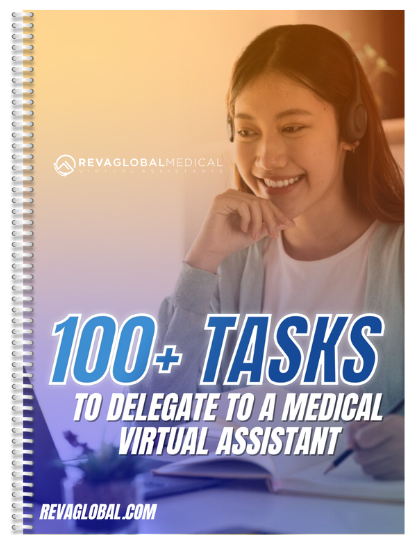
Not Sure What Tasks To
Start Outsourcing?
We’ve got you covered.
Download our free guide to help you get started.